Galaxy Tab A11 Plus vs Moto Pad 2026: Best Budget Tablet?
Two $250 tablets with 11-inch screens and 5G options. We compare displays, speakers, battery, and Samsung's 7-year update promise.
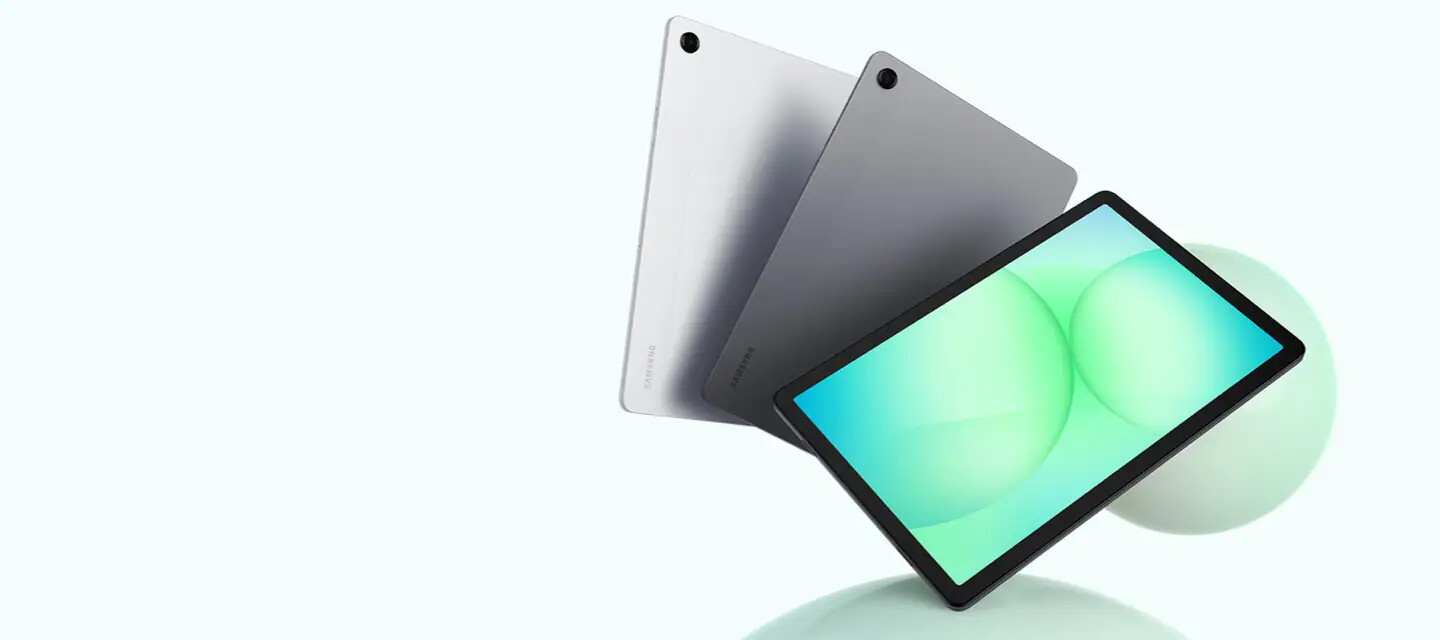
Two $250 tablets now dominate the budget aisle - Samsung’s Galaxy Tab A11 Plus and Motorola’s Moto Pad (2026). Both target streaming, kids, and travel with 11-inch screens and optional 5G, but they make opposite trade-offs on display sharpness versus software longevity.
Neither is a productivity powerhouse. Both are credible Netflix machines with enough RAM for split-screen homework. The right pick depends on whether you prioritize pixels and speakers today, or updates and ecosystem features for years.
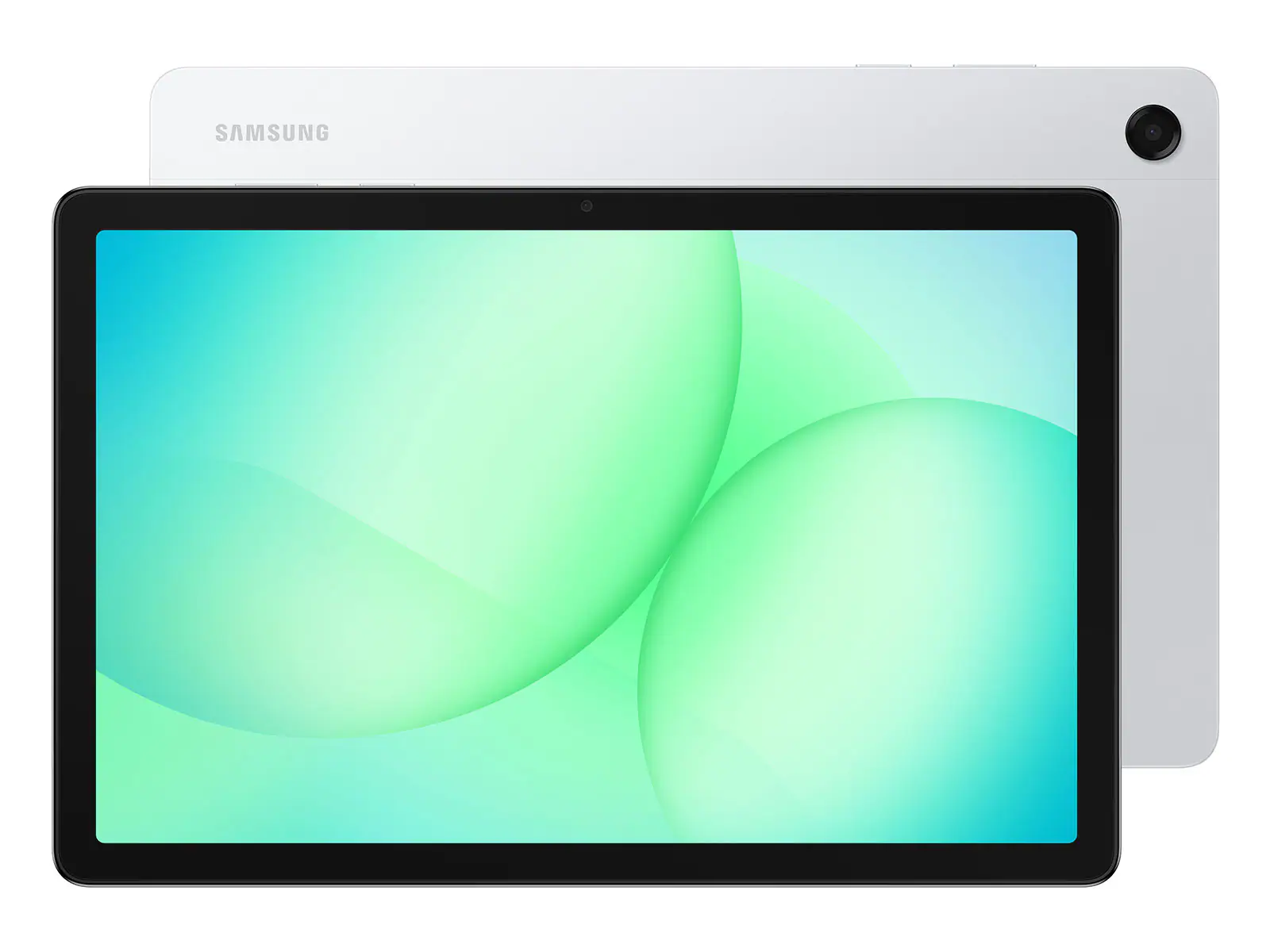
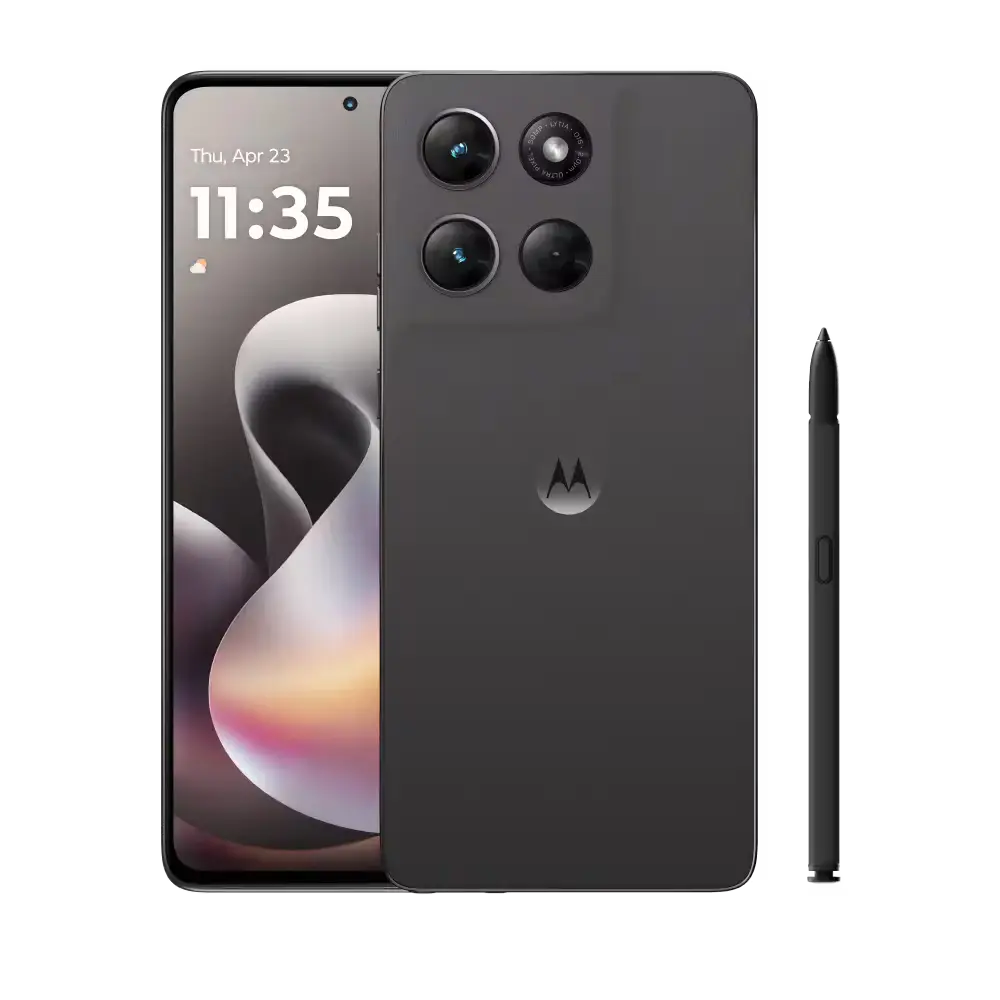
Spec comparison
| Galaxy Tab A11 Plus | Moto Pad (2026) | |
|---|---|---|
| Price (Wi-Fi) | $249.99 | $249.99 |
| Display | 11” TFT LCD, 1920×1200, 90Hz | 11” IPS LCD, 2560×1600 (2.5K), 90Hz |
| Pixel density | ~206 ppi | ~274 ppi |
| Chipset | MediaTek Dimensity 7300 (4nm) | MediaTek Dimensity 6300 (6nm) |
| RAM | 6GB (8GB on top SKU) | 8GB |
| Storage | 128GB / 256GB + microSD | 128GB + microSD |
| Battery | 7,040mAh, 25W charging | 7,040mAh, 20W charging |
| Speakers | Quad, Dolby Atmos | Quad, Dolby Atmos |
| 5G | Optional | Optional |
| OS / updates | Android 16, One UI 8, 7 major upgrades | Android 15 → Android 17 promised |
| Build | Metal unibody, IP52 | Metal unibody, IP52 |
| Weight | ~477–482 g | ~480 g |
| Extras | Samsung DeX, Knox | Smart Connect |
Display: sharpness vs smoothness
This is the core split.
Moto Pad wins on resolution. Its 2.5K (2560×1600) panel at 274 ppi is noticeably sharper for text, comics, and UI elements. Side-by-side with the Tab A11 Plus, fine print and album art look cleaner on the Motorola.
Samsung wins on ecosystem polish. The Tab A11 Plus uses a 1920×1200 TFT panel at 206 ppi - adequate for video, softer for reading. Both run 90Hz, so scrolling feels equally smooth. Samsung claims ~480 nits brightness; Moto lists ~400 nits. In practice both are fine indoors; neither competes with AMOLED flagships outdoors.
Verdict: Moto Pad for media lovers who notice pixel density. Tab A11 Plus if you mostly watch 1080p video and care more about software than spec-sheet resolution.
Performance and RAM
Samsung’s Dimensity 7300 (4nm, Cortex-A78 cores) is the faster chip on paper and in benchmarks. App launches, browser multitasking, and light gaming favor the Tab A11 Plus.
Motorola counters with 8GB RAM standard versus Samsung’s 6GB base. For split-screen YouTube plus Google Docs, the extra RAM can matter more than raw CPU in daily use. Neither tablet runs AAA games well - both are consumption devices.
Storage on both expands via microSD up to 2TB. Samsung also sells a 256GB SKU; Moto sticks to 128GB at launch.
Speakers and media
Both ship quad speakers with Dolby Atmos - a welcome surprise at $250. Motorola has leaned into this harder in marketing, and in our listening tests the Moto Pad sounds slightly fuller in landscape mode with more perceived bass.
Samsung is not bad - it is just not the reason to buy. If tablet speakers matter to you (bedside Netflix, kitchen cooking videos), the Moto Pad has a small edge. Both keep a 3.5mm headphone jack.
Cameras
Identical on paper: 8MP rear, 5MP front, 1080p video. Fine for Zoom and scanning homework. Ignore the megapixel counts - neither replaces a phone camera.
5G and carriers
Both offer optional 5G SKUs with nano-SIM (Samsung also supports eSIM on cellular models). Wi-Fi-only versions save money and avoid another line item on your bill.
Check carrier pricing before assuming 5G is worth it. T-Mobile sells the Moto Pad at $249.99 and undercuts some Samsung 5G promos. AT&T, Verizon, and prepaid carriers run different tablet plans - compare total 24-month cost, not just hardware MSRP.
For most buyers we still recommend Wi-Fi plus phone hotspot unless you need always-on connectivity in a car or for kids without a phone nearby.
Software updates: Samsung’s seven-year headline
This is where the comparison tilts hard toward Samsung.
The Tab A11 Plus launches on Android 16 with One UI 8 and Samsung promises up to seven major Android upgrades plus security patches - the same long-support story as Galaxy phones. For a family tablet that will sit on a couch for years, that is enormous value at $250.
The Moto Pad ships on Android 15 with Motorola promising upgrades through Android 17. Respectable, but roughly half Samsung’s runway. Motorola’s update track record on phones has improved, but Samsung is the safer bet for a tablet you will hand down.
Samsung also brings DeX (desktop-style multitasking with an external display) and Knox security - niche for budget buyers, but nice if you already live in Samsung’s ecosystem.
Motorola counters with Smart Connect for screen sharing and file sync with Moto phones and PCs - useful if you already carry a Motorola phone.
Battery and charging
Both pack a 7,040mAh battery. Motorola claims up to 12 hours of streaming; Samsung does not publish an equivalent number but real-world endurance is similar for mixed use.
Samsung charges faster at 25W versus Moto’s 20W. Neither is flagship speed, but Samsung refills a bit quicker between sessions.
Build and durability
Both use all-metal unibody designs around 7mm thick with IP52 splash resistance - fine for kitchen counters and kid hands, not poolside.
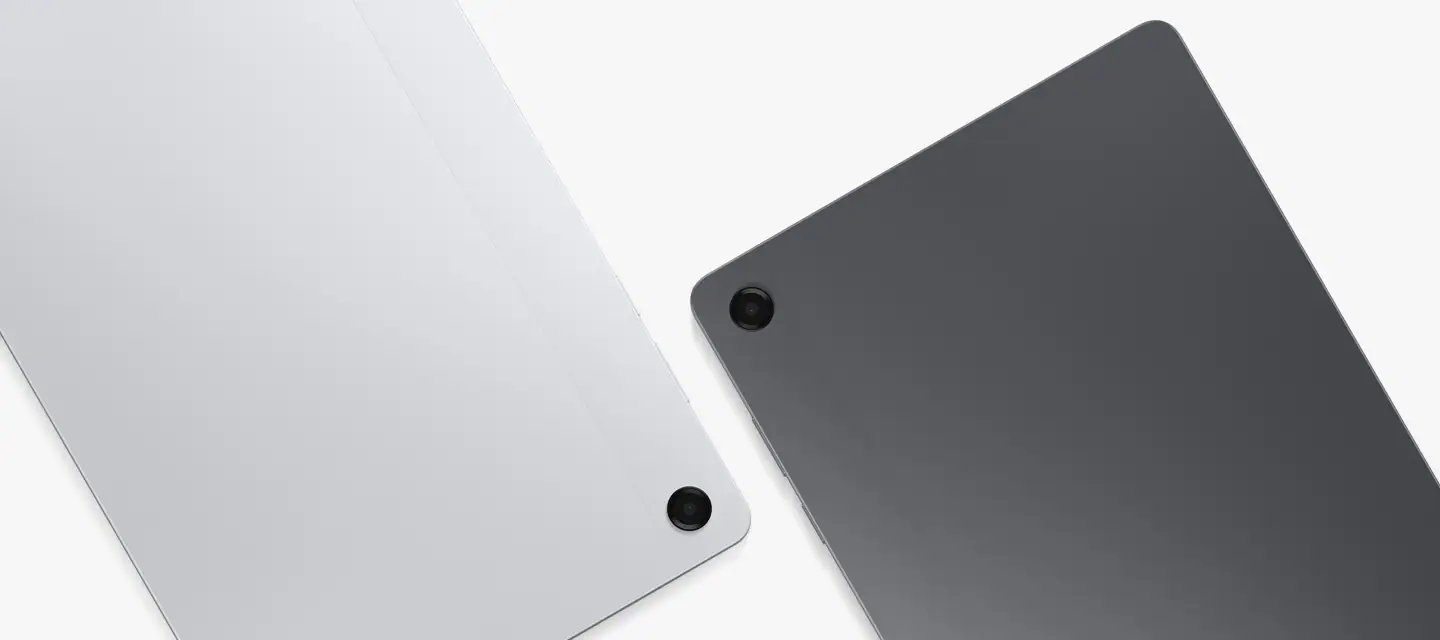
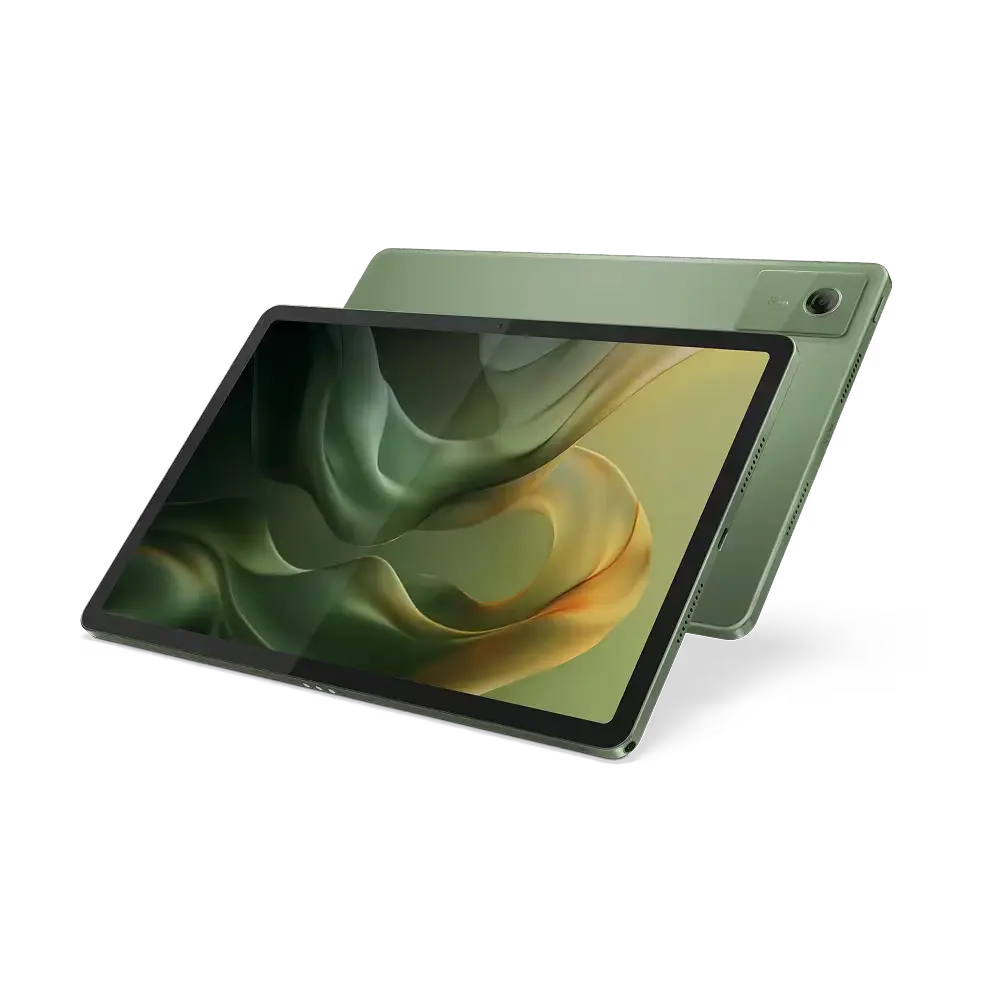
Samsung offers Gray and Silver. Motorola ships PANTONE Bronze Green - a more distinctive look if you care about aesthetics.
Price and value
Street prices bounce around launch. As of June 2026:
- Galaxy Tab A11 Plus Wi-Fi: $249.99 MSRP at Samsung, Amazon, Best Buy
- Moto Pad 2026: $249.99 at Motorola.com and T-Mobile
Carrier promos, trade-ins, and bundle deals can shift the math by $40–80. Compare unlocked and carrier pricing before buying - the cheaper hardware is not cheaper if the data plan costs more.
Which should you buy?
Pick the Galaxy Tab A11 Plus if you want the tablet to last through multiple Android versions, you are in Samsung’s ecosystem, or you value the faster Dimensity 7300 chip and DeX.
Pick the Moto Pad (2026) if you want the sharpest screen in the class, 8GB RAM standard, slightly better speakers, and you are fine with a shorter update window.
Our verdict: The Galaxy Tab A11 Plus wins overall because software support is the feature you cannot add later. The Moto Pad is the better media machine today - and a legitimate alternative if you will replace the tablet in three years anyway.
See also: Best budget tablets under $250 · POCO Pad C1 launch · Galaxy Tab A11 Plus · Moto Pad 2026